
🫀 10 Foods That Naturally Help Lower Blood Pressure
Including nutrient-rich, blood-pressure-lowering foods in daily meals is a simple and effective way to manage hypertension. When combined with medication and healthy lifestyle habits, these foods help support heart health—even during festive or heavy meals.
1. Leafy Greens
Why: Rich in nitrates that relax blood vessels and balance sodium levels.
Examples: Spinach, kale, lettuce, cabbage, Swiss chard, mustard greens
How to eat: Salads, soups, stir-fries, smoothies, or sautéed sides.
2. Garlic
Why: Contains allicin, which increases nitric oxide, widens blood vessels, and reduces inflammation.
How to eat: Fresh in cooking, salad dressings, or roasted.
3. Cinnamon
Why: Lowers both systolic and diastolic BP, improves circulation, and reduces inflammation.
How to eat: Oatmeal, coffee, smoothies, or baked foods.
4. Beet root
Why: High in nitrates that help relax blood vessels.
How to eat: Raw in salads, roasted, juiced, or in soups.
5. Sweet Potatoes– Shakarkandi
Why: High in potassium and antioxidants that counter sodium and reduce vessel tension.
How to eat: Roasted, mashed, baked fries, or in soups (pair with cinnamon for added benefit)
5.(a)
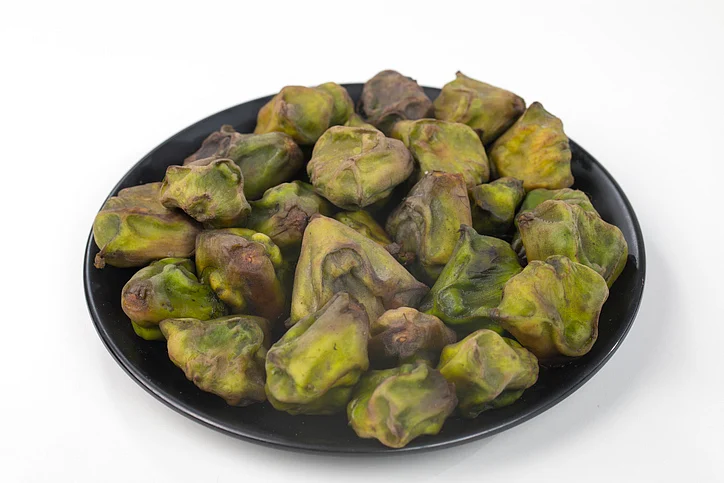
Water chestnuts are a heart-friendly food that can help manage high blood pressure (BP) naturally. They are rich in potassium, low in sodium and fat, and contain fiber, antioxidants, and high water content, all of which support cardiovascular health.
.
6. Berries
Why: Contain anthocyanins that improve blood vessel function and reduce inflammation.
How to eat: Fresh, in smoothies, yogurt, or sauces.
7. Pomegranates
Why: Natural ACE-inhibiting properties help relax blood vessels; rich in antioxidants.
How to eat: Juice, seeds in salads, yogurt, or oatmeal.
8. Olive Oil
Why: Contains healthy fats, polyphenols, and ACE-inhibiting compounds that reduce inflammation.
How to eat: Salad dressings, cooking oil, or drizzled on vegetables.
9. Dark Chocolate
Why: Flavonoids improve blood flow and help blood vessels relax.
How to eat: Choose 70% cocoa or higher; eat in small portions.
10. Fish
Why: Fatty fish provide omega-3 fatty acids that reduce inflammation and support heart health.
Examples: Salmon, mackerel
How to eat: Baked, grilled, or steamed with vegetables and whole grains.
🚫 Foods to Limit for Better BP Control
- High-sodium foods: Processed meats, canned soups, fast food, chips
- Excess sugar: Sodas, pastries, sugary snacks
- Unhealthy fats: Fried foods, trans fats, processed cheese
🌰 Water Chestnuts (Singhara) and High Blood Pressure
Water chestnuts are a heart-friendly food that can help manage high blood pressure (BP) naturally. They are rich in potassium, low in sodium and fat, and contain fiber, antioxidants, and high water content, all of which support cardiovascular health.
How Water Chestnuts Help Control BP
1. High Potassium Content
Potassium helps balance excess sodium in the body
Relaxes blood vessel walls
Improves blood flow and lowers blood pressure
2. Low Sodium & Low Fat
Naturally low in sodium and unhealthy fats
Helps prevent fluid retention and reduces strain on the heart
3. Rich in Fiber
Helps lower bad cholesterol (LDL)
Supports healthy circulation and heart function
4. Antioxidant Protection
Contains antioxidants like ferulic acid and vitamin C
Reduces inflammation and oxidative stress
Protects blood vessels from damage
5. Hydrating & Cooling Effect
High water content helps maintain fluid balance
Supports stable blood pressure and overall heart health
How to Include Water Chestnuts in Your Diet
Eat raw as a crunchy snack
Add to salads, stir-fries, or soups
Prefer fresh water chestnuts
If using canned, rinse well to remove excess sodium
Recommended amount: 4–6 medium-sized water chestnuts daily