

🌳 MAHUA – COMPLETE DETAILS
1. General Information
- Common Name: Mahua
- Scientific Name: Madhuca longifolia
- Family: Sapotaceae
- Other Names:
- Hindi: महुआ
- Sanskrit: Madhūka
- Bengali: Mohua
- Telugu: Ippa
- Tamil: Iluppai
Mahua is a sacred and life-supporting tree in India, especially among tribal communities. It is often called a “Tree of Life.”
2. Botanical Description
- Medium to large evergreen or semi-evergreen tree
- Height: 15–20 meters
- Thick trunk, dense crown
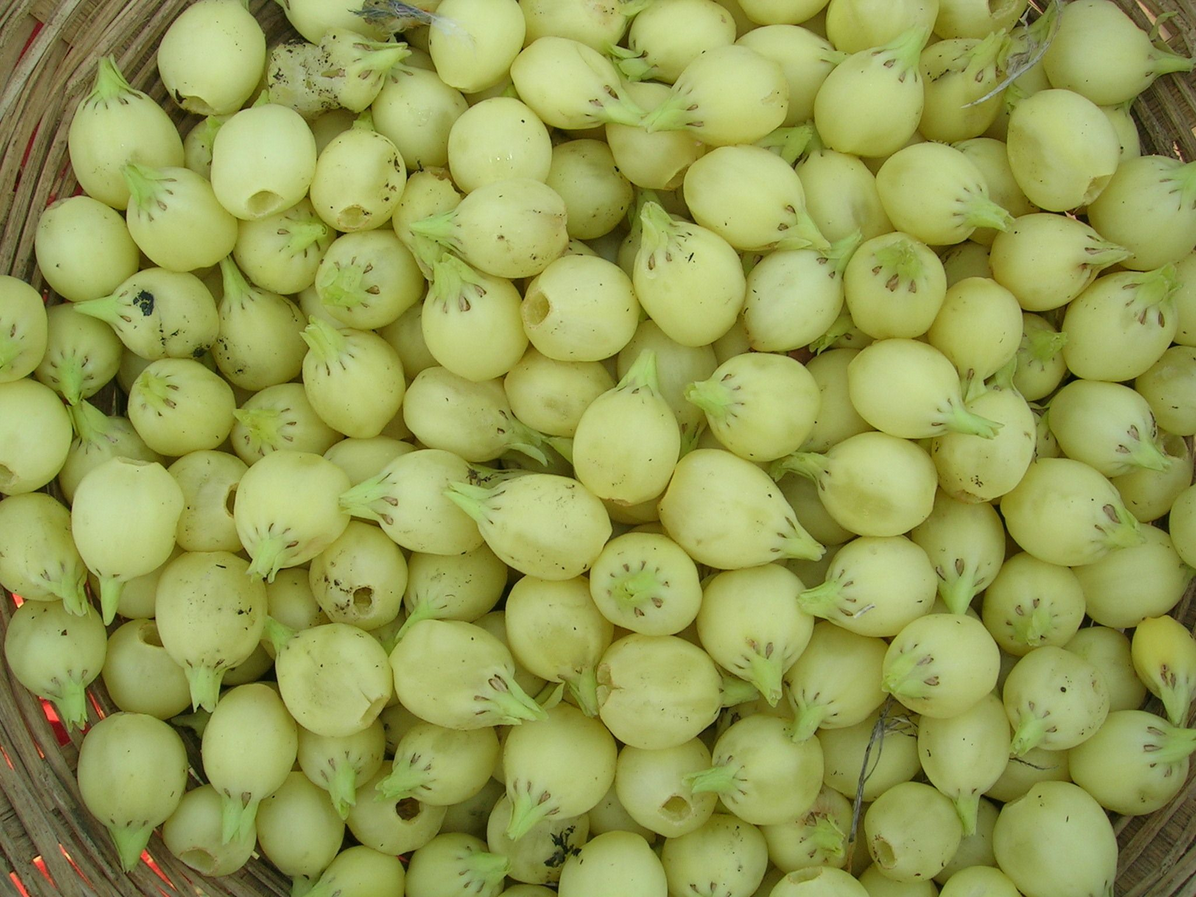
- Flowers: Creamy-white, fleshy, aromatic
- Fruits: Berry-like with 1–4 seeds
- Seeds contain oil (Mahua butter)
3. Parts Used
- Flowers
- Seeds
- Seed oil (Mahua oil)
- Bark
- Leaves
4. Nutritional Value (Flowers – Approx.)
- Natural sugars (glucose, fructose)
- Proteins
- Calcium
- Iron
- Phosphorus
- Vitamins (B-complex, small amount of Vitamin C)
5. Ayurvedic Properties
- Rasa (Taste): Sweet
- Guna (Quality): Heavy, oily
- Virya (Potency): Cooling
- Vipaka: Sweet
- Dosha Action:
- Pacifies Vata
- In excess may increase Kapha
6. Health Benefits
🌼 Flowers
- Boost energy and stamina
- Useful in cough, bronchitis, asthma
- Improves digestion
- Helps in anemia and weakness
- Mild laxative effect
🌰 Seeds & Oil
- Anti-inflammatory
- Useful in joint pain and arthritis
- Treats skin disorders (eczema, cracks, wounds)
- Nourishes hair and scalp
🌳 Bark
- Astringent
- Used in diarrhea and dysentery
- Mouth ulcers and gum problems (gargle)
🍃 Leaves
- Used in poultices for swelling
- Traditionally used in wounds
7. How to Consume Mahua (Detailed)
A. Mahua Flowers (Internal Use)
1️⃣ Dried Flowers (Raw)
- Dose: 5–10 flowers/day
- Time: Morning or afternoon
- Method: Chew or soak in water overnight
2️⃣ Mahua Flower Tea (Decoction)
- 5 dried flowers + 1 cup water
- Boil → reduce to half → strain
- Dose: ½ cup once daily
3️⃣ Powder Form
- ½ teaspoon with warm water or milk
- Once daily
B. Mahua Oil (Mostly External)
External Uses
- Joint massage (daily or alternate days)
- Skin application (eczema, dryness)
- Hair oil (weekly)
⚠️ Internal use only under Ayurvedic supervision
8. Traditional & Cultural Uses
- Mahua flowers used as staple food in tribal areas
- Fermented to make traditional liquor
- Oil used for lamps and rituals
- Leaves used in plates (pattal)
9. Modern Uses
- Cosmetics (soaps, creams, shampoos)
- Biodiesel production
- Pharmaceutical preparations
- Confectionery and sweeteners
10. Side Effects & Precautions
- Excess flowers may raise blood sugar
- Avoid during fever with heavy digestion
- Diabetics should consume very limited quantity
- Pregnant women should consult a doctor
- Alcoholic form should be avoided for health purposes
11. Who Should Avoid or Limit
- Diabetics
- Obese individuals (in excess)
- Kapha-dominant body types
12. Storage
- Flowers: Sun-dried, airtight container
- Oil: Cool, dark place
13. Summary
Mahua is a nutritional, medicinal, economic, and cultural treasure of India. When consumed correctly and in moderation, it provides strength, healing, and nourishment.
https://wellnesstillulast.com/