

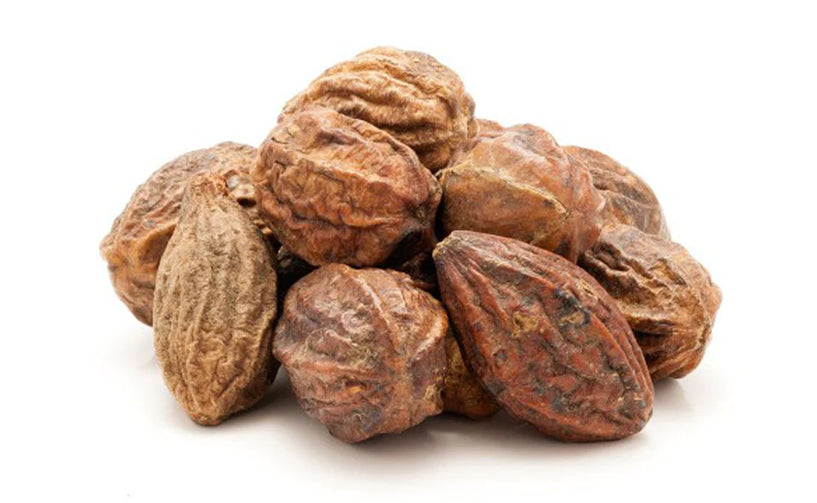
Harad (Terminalia chebula) — Complete Detailed Guide
Harad (also called Haritaki) is one of the most important herbs in Ayurveda. It is known as the “King of Medicines” and is a key ingredient of the famous Ayurvedic formula Triphala.
In classical Ayurveda texts like Charaka Samhita and Sushruta Samhita, Harad is described as a rejuvenating herb (Rasayana) that supports digestion, brain health, detoxification, and longevity.
🌱 1. Basic Information
| Property | Details |
|---|---|
| Botanical Name | Terminalia chebula |
| Common Names | Harad, Haritaki, Harade |
| Family | Combretaceae |
| Part Used | Dried fruit |
| Taste (Rasa) | Astringent dominant, also bitter, sweet, pungent, sour |
| Ayurvedic Effect | Balances Vata, Pitta, and Kapha (especially Vata) |
🧠 2. Brain & Nervous System Benefits
Harad is considered a medhya herb (brain-supportive).
Main brain benefits
✔ Improves memory and concentration
✔ Supports neuron protection
✔ Helps reduce mental fatigue
✔ Improves sleep quality
✔ Helps manage stress and anxiety
Active compounds include:
- Chebulagic acid
- Gallic acid
- Ellagic acid
- Tannins
These compounds act as antioxidants, protecting brain cells from oxidative damage.
🧬 3. Digestive System (Most Famous Benefit)
Harad is one of the best digestive herbs in Ayurveda.
Benefits:
✔ Improves digestion and metabolism
✔ Helps in constipation relief
✔ Improves gut detoxification
✔ Reduces gas and bloating
✔ Supports healthy gut microbiome
Harad works as a mild natural laxative.
🫀 4. Other Health Benefits
1️⃣ Detoxification
Helps remove toxins (Ama) from the body.
2️⃣ Immunity
Supports the immune system due to strong antioxidant activity.
3️⃣ Liver support
Improves liver detox and enzyme balance.
4️⃣ Anti-aging (Rasayana)
Traditional texts consider Harad a longevity herb.
5️⃣ Blood sugar support
May help regulate glucose metabolism.
6️⃣ Skin health
Helps with
- acne
- skin detox
- wound healing
😴 5. Harad for Sleep & Mental Calm
Harad can indirectly improve sleep because it:
- detoxifies the gut
- reduces mental stress
- improves digestion
Ayurveda often links poor digestion → disturbed sleep.
Taking Harad at night helps calm the nervous system.
🧪 6. Nutritional & Chemical Components
Important compounds:
- Chebulinic acid
- Chebulagic acid
- Gallic acid
- Ellagic acid
- Tannins
- Flavonoids
- Polyphenols
These compounds provide:
✔ antioxidant effects
✔ anti-inflammatory effects
✔ antimicrobial activity
🌿 7. Types of Haritaki (Ayurvedic Classification)
Ayurveda describes 7 varieties of Haritaki:
- Vijaya
- Rohini
- Putana
- Amrita
- Abhaya
- Jivanti
- Chetaki
The most commonly used medicinal type is Vijaya Haritaki.
🥄 8. How to Use Harad
1️⃣ For digestion
½ tsp Harad powder with warm water at night
2️⃣ For constipation
Harad powder + warm water before bed
3️⃣ For brain & detox
Harad with honey or ghee
4️⃣ For full body detox
Use as part of Triphala
Typical Triphala ratio:
- Harad
- Amla (Emblica officinalis)
- Baheda (Terminalia bellirica)
⚠️ 9. Precautions
Avoid excessive use if:
- pregnant
- severe dehydration
- chronic diarrhea
- very low blood sugar
Possible side effects (rare):
- loose stools
- dehydration if overused
Typical safe dose:
1–3 grams per day
🧘 10. Why Yogis & Ayurvedic Practitioners Used Harad
Traditional belief:
Harad helps remove “Ama” (toxic metabolic waste) which is considered the root of many diseases.
It was commonly used by:
- yogis
- monks
- Ayurvedic healers
for mental clarity and longevity.
✅ Summary
Harad is a powerful Ayurvedic herb that supports:
- brain health 🧠
- digestion 🌿
- detoxification 🧬
- immunity 🛡️
- sleep 😴