

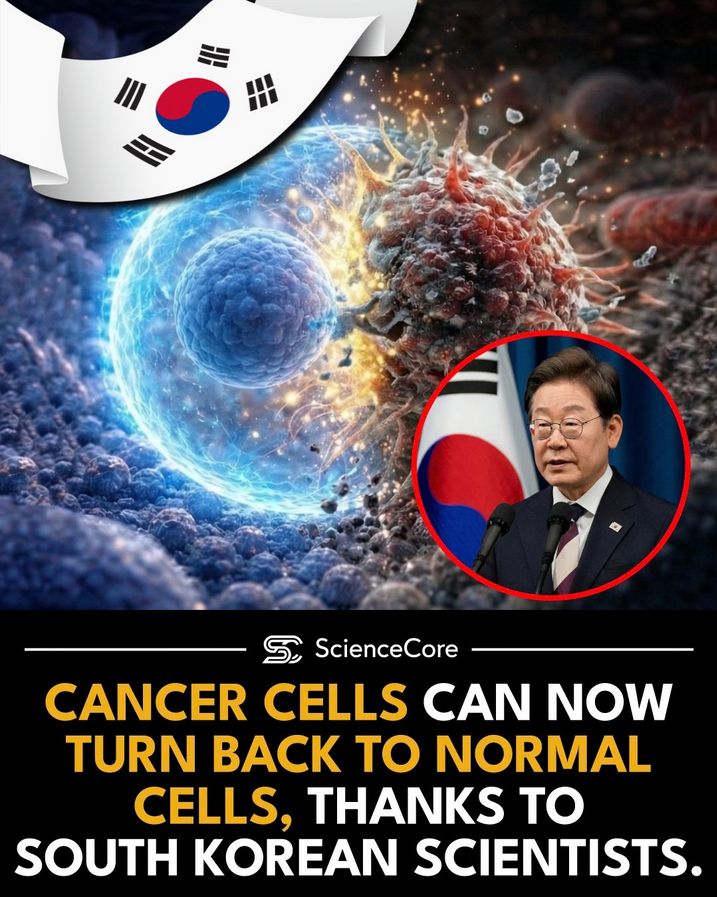
Researchers at KAIST in South Korea are pioneering a revolutionary “reprogramming” strategy that aims to revert malignant cells back into their original, healthy states. This approach shifts the focus from destroying cancer cells to correcting the regulatory “software” errors that cause them to grow uncontrollably.
The scientific team identified a molecular switch known as the protein SETDB1, which plays a critical role in gene regulation. By suppressing this specific protein in aggressive skin cancer cells during laboratory experiments, the researchers successfully nudged the cells to regain the characteristics of normal tissue.
This method is particularly promising because it could lead to much gentler treatments compared to traditional chemotherapy or radiation, which often cause significant collateral damage to healthy organs. Reframing cancer as a reversible regulatory error allows for highly precise, epigenetic interventions that work with the body’s biology.
While this study represents a major milestone in cellular identity research, the work is currently in the experimental stages and has not yet been approved for human clinical use. Scientists emphasize that significant testing is still required to ensure these “reprogrammed” cells remain stable and do not revert to a cancerous state over time.
This discovery contributes to a broader global effort to develop smarter, targeted therapies that focus on restoring cellular health rather than simply killing off diseased portions of the body. It marks a potential shift toward a future where “curing” cancer means teaching the body’s own cells how to function correctly again.
#CancerResearch#KAIST#MedicalBreakthrough#SouthKoreaTech#GeneticReprogramming#FutureOfMedicine
See less