

TEJPATTA & CINNAMON WATER
A practical guide to identity, traditional uses, evidence, preparation and safety
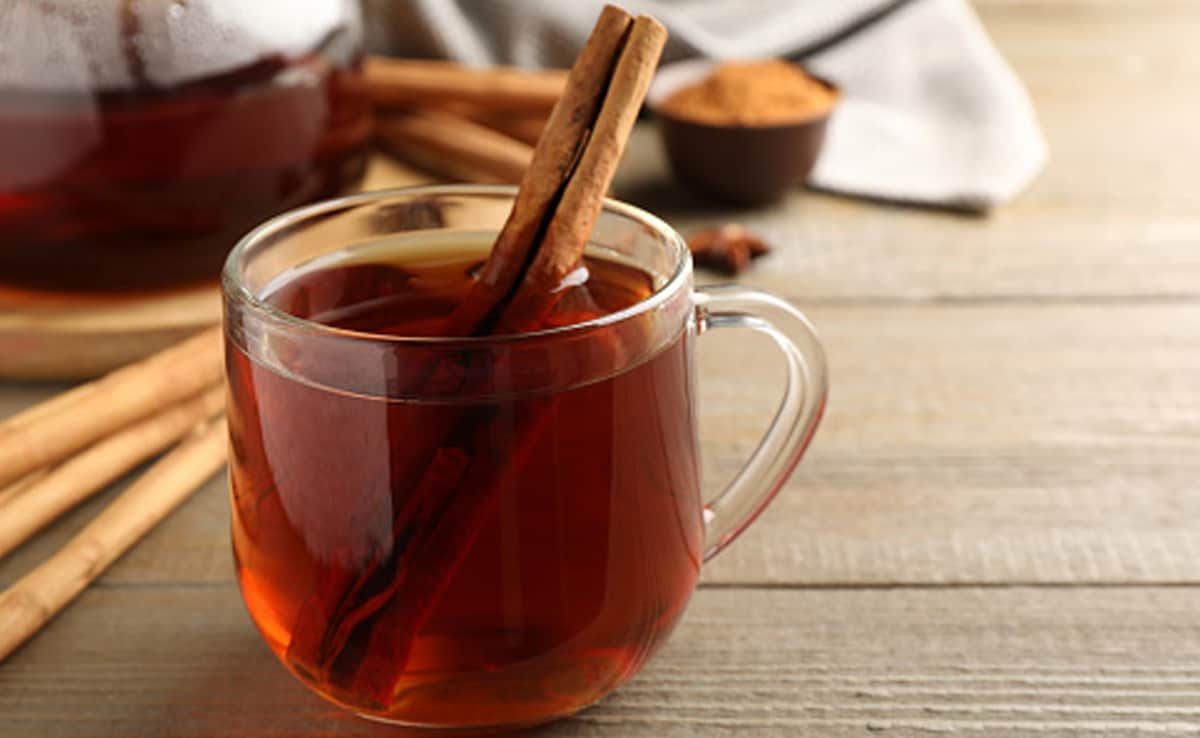
Image supplied with the question. The leaves resemble dried Indian bay leaves, but a photograph alone cannot confirm the botanical species.
1. What are Tejpatta and Dalchini?
Tejpatta (Indian bay leaf) and dalchini (cinnamon) are aromatic spices used in Indian cooking. They are related botanically because both come from the genus Cinnamomum, but they are different plant parts and are not interchangeable.
Tejpatta (Indian bay leaf)
- Common names: Tejpatta, tejpat, Indian bay leaf, Indian cassia leaf.
- Botanical name: Cinnamomum tamala (Buch.-Ham.) T. Nees & Eberm.
- Part commonly used: Dried leaves.
- Typical culinary character: Warm, aromatic, mildly clove-like/cinnamon-like flavour; used in rice, dals, curries and masala preparations.
- Identification note: Indian tejpatta is generally broader and has three prominent lengthwise veins. Mediterranean bay leaf (Laurus nobilis) is a different species.
Dalchini (cinnamon)
- Common names: Dalchini, cinnamon, cinnamon bark.
- Botanical sources: Cinnamon bark may come from several species, particularly Cinnamomum verum (Ceylon/true cinnamon) and Cinnamomum cassia (cassia cinnamon).
- Part commonly used: The dried inner bark, sold as quills/sticks or powder. Cinnamon leaves and bark are not the same product.
- Ceylon cinnamon is often called ‘true cinnamon’; cassia is commonly stronger in flavour and can contain considerably more coumarin.
2. Ayurvedic perspective (traditional descriptions)
The following are traditional Ayurvedic descriptions and uses, not proof that these spices treat a disease. Classical terminology and descriptions can vary between texts, regions and the exact botanical material.
Tejpatra
- Ayurvedic name: Tejapatra / Tamalapatra (names may vary by source).
- Traditional profile commonly described: Katu (pungent) and tikta (bitter) taste; ushna (warming) potency; aromatic and light/drying qualities are described in traditional materia medica.
- Traditional use context: Used as a culinary spice and traditionally included in preparations for digestion, appetite and respiratory comfort. These uses should not be treated as clinically proven indications.
Dalchini / Tvak
- Ayurvedic name: Tvak (cinnamon bark).
- Traditional profile commonly described: Aromatic, pungent and warming; often discussed in relation to agni (digestive fire) and kapha-vata balancing in traditional practice.
- Traditional use context: Used in small culinary quantities and in traditional formulations for digestive comfort and warmth. It is not an established replacement for medical treatment.
3. What does science say about blood sugar and diabetes?
The social-media claim in the supplied image says that drinking tejpatta-and-cinnamon water balances insulin and prevents diabetes. This claim is too strong and is not established by reliable clinical evidence.
- Tejpatta: Laboratory studies have examined Indian bay leaf extracts and essential oils for antioxidant and enzyme-inhibiting activity. These are early-stage findings, not proof that drinking leaf water prevents or treats diabetes in people.
- Dalchini: Human studies have produced mixed results. Some reviews report small changes in fasting glucose or insulin-resistance measures, while other assessments conclude that the evidence is unclear. Differences in cinnamon species, preparation and dose make results difficult to interpret.
- A 2024 laboratory study of Cinnamomum tamala essential oil investigated enzyme inhibition in test systems. It did not establish that homemade tejpatta water lowers blood glucose in people.
- The US National Center for Complementary and Integrative Health (NCCIH) states that research does not clearly support cinnamon for any health condition and that its usefulness for diabetes remains unclear.
- The American Diabetes Association’s Standards of Care state that evidence is insufficient to recommend routine herbal supplements such as cinnamon to improve blood glucose.
Bottom line: There is no dependable evidence that tejpatta-and-dalchini water balances insulin, prevents diabetes, reverses diabetes or can replace prescribed treatment.
4. How to prepare it as a culinary infusion
If you enjoy the flavour, you may prepare a mild infusion as a beverage—not as a diabetes treatment. There is no medically established dose or proven therapeutic recipe.
- Wash 1–2 clean, food-grade tejpatta leaves.
- Add one small piece of cinnamon stick to about 2 cups (500 mL) of water.
- Bring to a gentle boil, then simmer for approximately 5–10 minutes.
- Switch off the heat, allow it to cool slightly, and strain. Do not swallow the whole leaves or hard bark pieces.
- Avoid adding sugar, honey or jaggery if you are monitoring blood glucose.
This is a flavouring suggestion only. Do not increase the quantity, make a highly concentrated decoction, or take it in large amounts every day in an attempt to lower glucose.
5. Safety precautions
- Diabetes medicines: If you use insulin or glucose-lowering tablets, ask your clinician before using concentrated herbal preparations. Combining glucose-lowering products may increase the risk of low blood sugar.
- Liver disease: Cassia cinnamon can contain coumarin, which may be harmful to the liver in sufficiently high or prolonged exposures. People with liver disease should avoid medicinal-dose cinnamon unless their clinician approves it.
- Pregnancy and breastfeeding: Culinary amounts are different from medicinal amounts. Avoid concentrated cinnamon or tejpatta remedies unless advised by a qualified clinician.
- Allergy or stomach irritation: Cinnamon may cause mouth irritation, allergy or digestive discomfort in some people. Stop if a reaction occurs.
- Surgery or multiple medicines: Discuss regular concentrated herbal use with your doctor or pharmacist, especially if you take several medicines.
- Use correctly identified, clean, food-grade spices. Do not consume essential oils or extracts as a home remedy.
- Never stop prescribed diabetes medicines, insulin, or monitoring because of a home remedy.
6. Better-supported ways to reduce diabetes risk
- Maintain a healthy body weight, if weight reduction is appropriate for you.
- Choose a balanced eating pattern with vegetables, pulses, whole grains, appropriate portions and fewer sugary drinks.
- Aim for regular physical activity, such as brisk walking, as advised for your health and fitness level.
- Get adequate sleep and avoid tobacco.
- If you are at increased risk, ask a healthcare professional about blood glucose or HbA1c testing.
- If you already have diabetes, follow your individual treatment plan and attend regular follow-up appointments.
7. When to seek medical advice
Seek medical advice for persistent excessive thirst, frequent urination, unexplained weight loss, blurred vision, unusual fatigue or recurrent infections. Severe vomiting, abdominal pain, deep/rapid breathing, confusion or marked drowsiness in someone with diabetes needs urgent medical assessment.
8. Quick comparison
| Feature | Tejpatta | Dalchini |
| Botanical material | Cinnamomum tamala leaf | Cinnamon species bark |
| Common form | Whole dried leaf | Stick/quill or powder |
| Main everyday role | Flavouring in savoury dishes | Flavouring in sweet and savoury dishes |
| Diabetes evidence | Not established in humans for leaf-water use | Mixed/uncertain; not recommended as diabetes treatment |
| Main caution | Avoid medicinal-dose use without advice | Cassia coumarin exposure; caution with liver disease and medicines |
9. References and further reading
- NCCIH – Cinnamon: Usefulness and Safety — https://www.nccih.nih.gov/health/cinnamon
- NCCIH – Diabetes and Dietary Supplements: What You Need To Know — https://www.nccih.nih.gov/health/diabetes-and-dietary-supplements-what-you-need-to-know
- American Diabetes Association – Standards of Care in Diabetes (2025), lifestyle and well-being — https://diabetesjournals.org/care/article/48/Supplement_1/S86/157563/5-Facilitating-Positive-Health-Behav-iors-and-Well
- Chaudhary et al. (2024) – Antidiabetic and Antioxidant Activities of Indian Bay Leaf (Cinnamomum tamala) Essential Oils; laboratory study, PubMed — https://pubmed.ncbi.nlm.nih.gov/39075867/
- An overview on chemical composition, bioactivity and processing of leaves of Cinnamomum tamala; review, PubMed — https://pubmed.ncbi.nlm.nih.gov/24236996/
Educational note: This document is for general education and does not diagnose, prevent or treat disease. Evidence summaries reflect the cited sources available at the time of preparation. Consult a qualified healthcare professional for personal medical advice.