

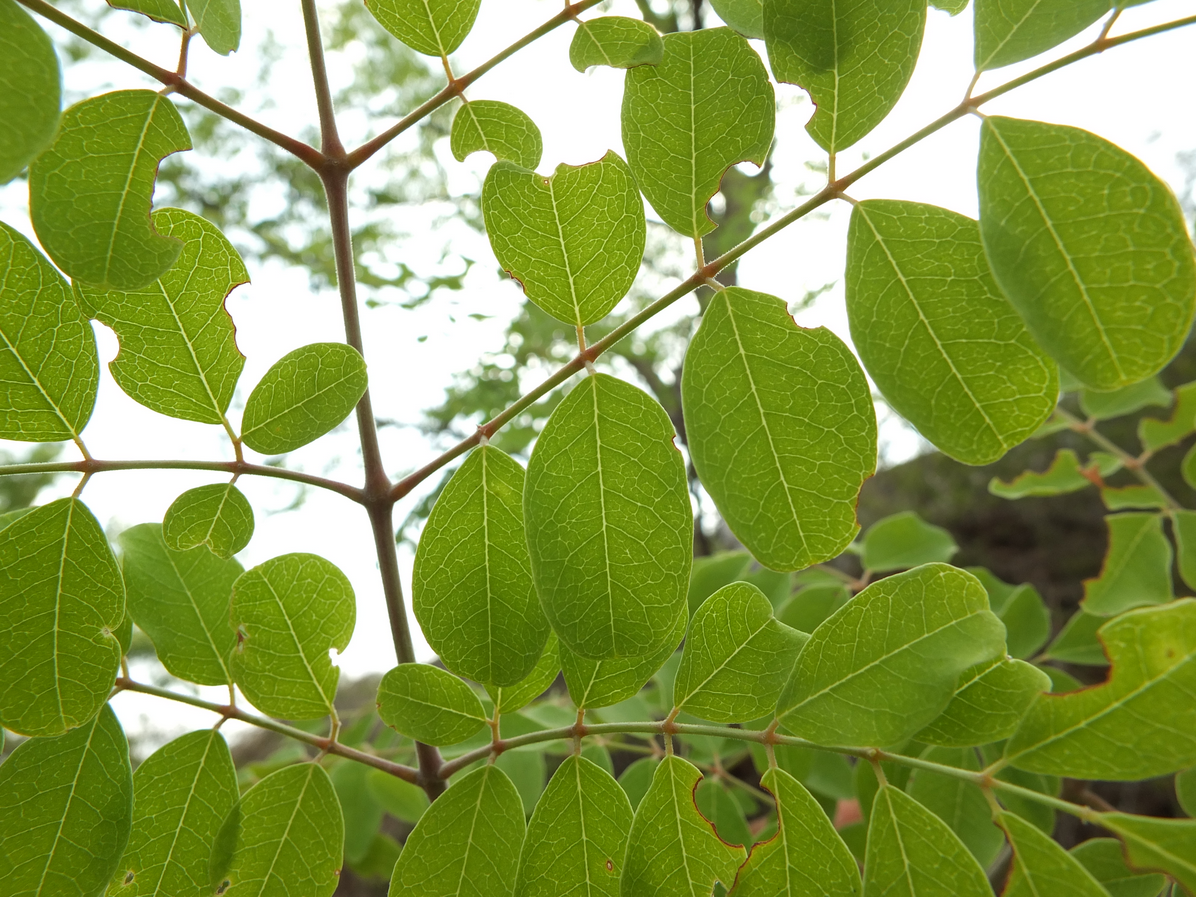
Moringa concanensis Leaves 🌿
(Wild Indian Moringa / Konkan Moringa)
Botanical name: Moringa concanensis
Family: Moringaceae
Common names: Wild Moringa, Jungle Moringa, Konkan Shevga
Found in: Western Ghats, Konkan region, Maharashtra, Karnataka, parts of South India
🌱 About Moringa concanensis
- A wild, indigenous species of moringa (different from Moringa oleifera)
- Grows naturally in forests and rocky soils
- Leaves are smaller, darker, and more pungent than common moringa
- Traditionally used in Ayurveda & tribal medicine
✅ Benefits of Moringa concanensis Leaves
🩸 1️⃣ Blood Purifier
- Detoxifies blood
- Helpful in skin problems, boils, acne
🔥 2️⃣ Anti-Inflammatory
- Used in joint pain, arthritis, swelling
- Reduces internal inflammation
🍬 3️⃣ Diabetes Support
- Helps regulate blood sugar
- Improves insulin sensitivity
🌬️ 4️⃣ Respiratory Health
- Traditionally used for:
- Cough
- Asthma
- Bronchitis
🧠 5️⃣ Nervous System Support
- Mild calming effect
- Used in weakness & fatigue
🌿 6️⃣ Digestive Aid
- Improves appetite
- Helps indigestion & worms (traditional use)
🍃 How to Use the Leaves
🥬 Fresh Leaves (Traditional)
- Lightly cooked as sabzi or soup
- Often mixed with other greens (do not eat raw)
🍵 Leaf Decoction (Kadha)
Method:
- Take 5–7 fresh leaves
- Boil in 1 cup water (reduce to half)
- Strain and drink once daily
👉 Best time: Morning
🌿 Powder (Rare but Used)
- Shade-dry leaves, grind
- Dose: ¼–½ tsp per day only
⚠️ Important Precautions (Very Important)
- ❌ Not for pregnancy (stronger than common moringa)
- ❌ Avoid in low BP
- ❌ Do not use long-term without breaks
- ❌ Avoid raw leaves
- ⚠️ Strong in nature → always use small dose
👉 M. concanensis is more potent than M. oleifera
🌿 Difference: Moringa concanensis vs Moringa oleifera
| Feature | concanensis | oleifera |
| Type | Wild | Cultivated |
| Taste | Bitter–pungent | Mild |
| Strength | Strong | Gentle |
| Daily use | ❌ No | ✅ Yes |
| Medicinal | High | Moderate |
🧘♂️ Ayurvedic Nature
- Rasa (Taste): Tikta (bitter), Katu (pungent)
- Virya: Ushna (hot)
- Effect: Reduces Kapha & Vata, may increase Pitta
Visit this Link:- https://www.facebook.com/reel/880952498167887