

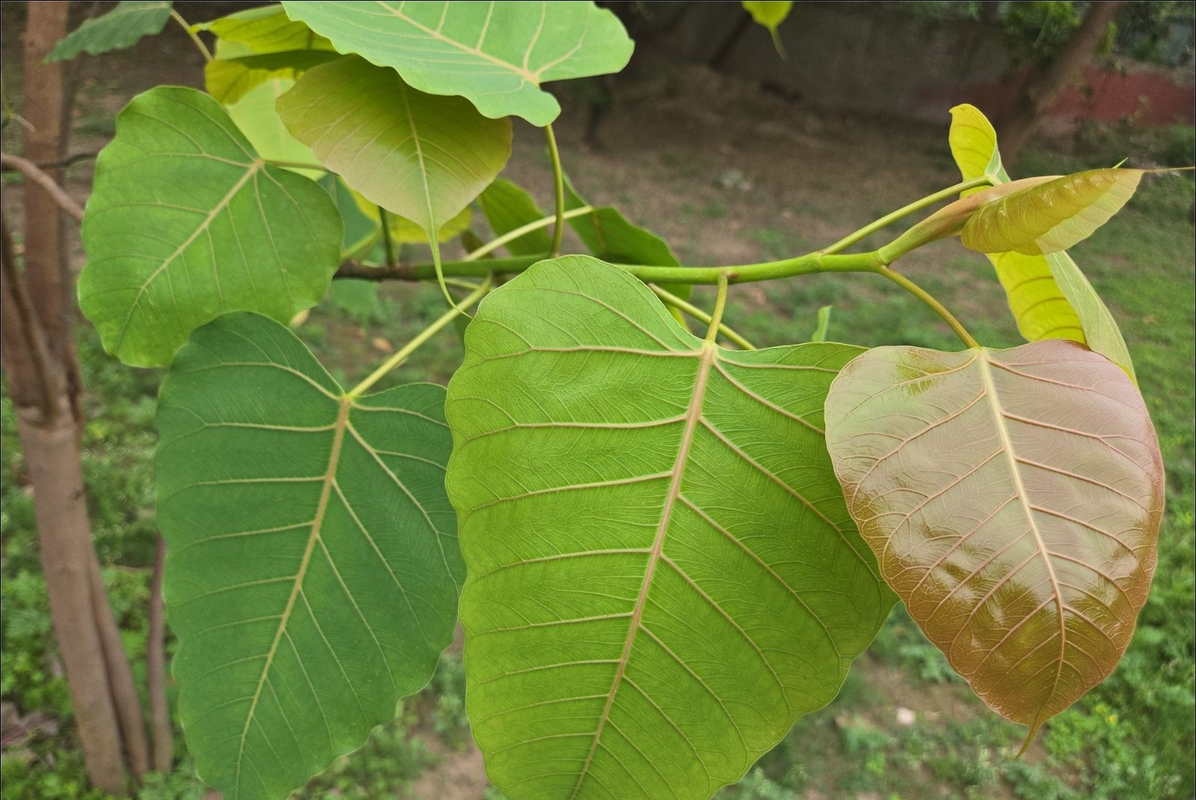
PEEPAL LEAVES FOR GENERAL HEALTH
Benefits, Scientific Evidence, and Safety of Eating Ficus religiosa Leaves
Purpose: General wellness information. This document summarizes traditional uses, current evidence, and practical safety considerations. It is educational and is not a substitute for medical advice.
1. Overview
Peepal (Ficus religiosa), also called the sacred fig, is a tree valued in Indian traditions, including Ayurveda. Its leaves contain plant compounds such as flavonoids, phenolic compounds, and tannins. Researchers have investigated extracts of the plant for several biological activities. However, laboratory findings do not prove that eating fresh leaves produces the same effects in people.
2. Potential Benefits Under Investigation
Antioxidant activity
Peepal leaf compounds have shown antioxidant activity in laboratory tests. This does not establish that eating the leaves prevents disease, slows ageing, or improves longevity.
Anti-inflammatory potential
Some experimental studies suggest anti-inflammatory activity from peepal extracts. It remains unclear whether consuming fresh leaves has a meaningful or reliable effect in humans.
Metabolic health
Preclinical research has explored possible effects on blood glucose and blood lipids. Peepal leaves are not a proven treatment for diabetes or high cholesterol and should not replace prescribed care.
Traditional digestive and skin uses
Peepal has been used in traditional remedies for various digestive and skin complaints. Reliable human clinical evidence supporting these uses is limited. Do not apply untested preparations to open wounds.
Antimicrobial activity
Certain extracts have shown activity against some microorganisms in laboratory settings. This does not mean that eating leaves treats infections in people.
3. What Does the Evidence Show?
| Evidence type | What it can tell us |
| Laboratory studies | Some plant extracts show biological activity under controlled test conditions. |
| Animal studies | May identify effects worth studying further, but results may not translate to humans. |
| Human clinical trials | Evidence is insufficient to establish benefits from eating fresh peepal leaves. |
| Long-term daily use | A safe, effective daily dose and long-term safety have not been established. |
Important distinction: a concentrated extract tested in a laboratory is not equivalent to chewing a fresh leaf. The composition, dose, absorption, and effects may differ.
4. Safety Considerations for Eating Raw Leaves
- No established daily dose: There is no scientifically established number of leaves to eat each day for general wellness.
- Contamination: Leaves collected near busy roads or from treated trees may carry dust, pollutants, animal waste, or pesticide residues.
- Digestive discomfort: Raw plant material may cause discomfort in some people.
- Allergy: People sensitive to fig-family plants may be at risk of an allergic reaction.
- Medication interactions: Possible effects on blood sugar and other processes are not well understood. Seek professional advice if you take regular medicines, especially diabetes medicines.
- Pregnancy and breastfeeding: Avoid medicinal use because safety has not been adequately established.
5. If You Still Choose to Handle or Consume the Leaves
- Do not begin daily use or consume large quantities based on unverified online advice.
- Do not collect leaves beside busy roads or from trees that may have been sprayed with chemicals.
- Wash plant material under clean running water. Washing can reduce some surface contamination but cannot remove every pollutant or pesticide.
- Do not use peepal leaf juice, powders, or extracts instead of prescribed treatment.
- Stop use if itching, swelling, vomiting, or abdominal discomfort occurs.
- Seek urgent medical help for breathing difficulty or swelling of the tongue or throat.
6. Practical Recommendation for General Wellness
For everyday antioxidant intake and general health, a varied diet containing familiar edible greens, vegetables, fruits, nuts, and legumes is better supported by human nutrition research than relying on peepal leaves. Peepal is an interesting plant for further research, but potential benefits should not be confused with proven benefits from eating the leaves.
7. Summary
Bottom line: Peepal leaves have traditional uses and promising early experimental findings, but there is not enough reliable human evidence to recommend eating them raw every day. Their effective dose and long-term safety remain uncertain. Ask a qualified healthcare professional before using them medicinally, particularly if you have a health condition, take medication, are pregnant, or are breastfeeding.
References and Further Reading
The following searches can help locate scientific reviews and primary studies. Check each paper’s methods, publication details, and whether it studied fresh leaves, extracts, animals, or humans before drawing conclusions.
- PubMed search — Ficus religiosa review: https://pubmed.ncbi.nlm.nih.gov/?term=Ficus+religiosa+review
- PubMed search — Ficus religiosa leaves antioxidant: https://pubmed.ncbi.nlm.nih.gov/?term=Ficus+religiosa+leaves+antioxidant
- Google Scholar search — Ficus religiosa pharmacological review: https://scholar.google.com/scholar?q=Ficus+religiosa+pharmacological+review
Note: This document is general educational information, not a diagnosis or individualized treatment plan. Evidence may change as better-quality studies become available.