

A practical, evidence-aware guide to 10 herbs, spices, fruits and seeds
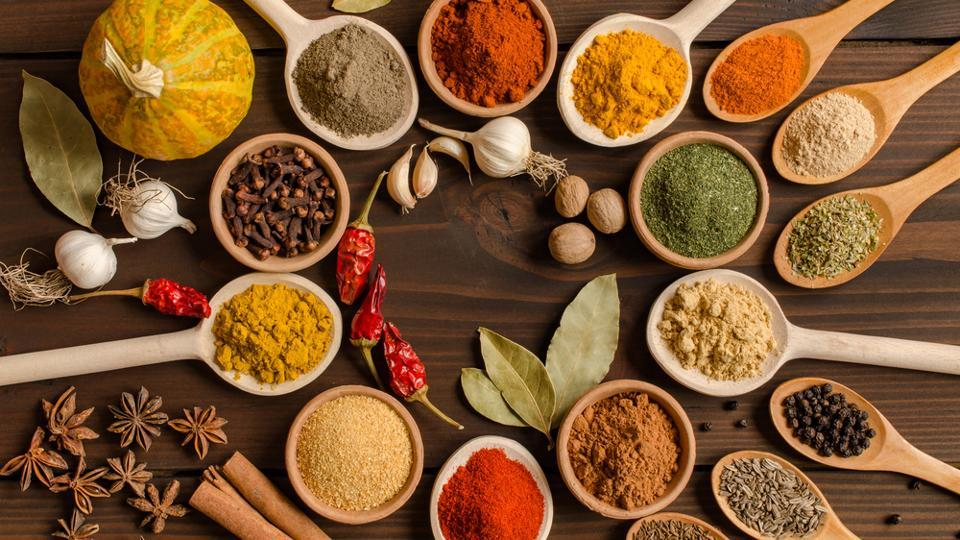
The ingredients in the supplied image can add flavour and useful nutrients to meals. Some contain compounds studied for specific effects, but none is a cure-all or a substitute for medical care. Most benefits depend on the amount consumed, the person’s health, and the overall dietary pattern.
1. Ginger
What research suggests: Gingerol and related compounds are studied for their anti-inflammatory and digestive effects. Ginger may help some people with nausea; evidence for pain relief is mixed and effects are generally modest.
Ways to use it: Add freshly grated ginger to tea, soups, dals, stir-fries or marinades. Culinary amounts are a sensible starting point.
Safety notes: May cause heartburn or stomach discomfort. Ask a clinician before using concentrated supplements, especially if you take blood-thinning medicines or have a planned surgery.
2. Turmeric
What research suggests: Turmeric contains curcumin, a compound studied for inflammation and joint symptoms. Curcumin is poorly absorbed from food, and research on supplements is still developing; results are not proof that turmeric treats disease.
Ways to use it: Use in curries, lentils, vegetables, soups or warm milk. Pairing with black pepper can affect curcumin absorption, but it is not necessary for everyday cooking.
Safety notes: Food amounts are generally well tolerated. High-dose supplements can interact with medicines and may cause stomach upset; turmeric/curcumin supplements have rarely been linked to liver injury. Seek medical advice if you have gallbladder or bile-duct problems.
3. Cloves
What research suggests: Cloves contain eugenol, which has antimicrobial and antioxidant activity in laboratory studies. This does not mean cloves reliably treat infections in people.
Ways to use it: Use a small amount in chai, rice, stews, spice mixes or baked foods.
Safety notes: Clove oil is concentrated and can be toxic if swallowed; do not use it as a home treatment. Eugenol may affect blood clotting and can irritate tissues, particularly in concentrated form.
4. Tart cherries
What research suggests: Tart cherries contain anthocyanins and other polyphenols. Small studies suggest tart-cherry products may modestly affect recovery after strenuous exercise or sleep in some people, but findings are inconsistent.
Ways to use it: Choose whole or frozen unsweetened cherries when available. Juice can be used in small portions, bearing in mind its sugar content.
Safety notes: Check labels for added sugar. If you have diabetes or need to limit potassium or fluids for a medical reason, ask your care team how they fit your plan.
5. Flaxseeds
What research suggests: Flaxseeds provide fibre, plant-based omega-3 fat (ALA) and lignans. Fibre can support bowel regularity, and replacing some saturated fat with unsaturated fats can support heart health. ALA is not equivalent to the omega-3s found in oily fish.
Ways to use it: Ground flaxseed is easier to digest than whole seeds. Stir 1 teaspoon into porridge, yoghurt, smoothies or dough, then increase gradually if tolerated. Drink enough fluid.
Safety notes: Increase fibre gradually to reduce gas or bloating. Take flaxseed away from oral medicines if advised by a pharmacist, because fibre can affect absorption. Discuss supplements with a clinician during pregnancy or if you have bowel narrowing or swallowing difficulties.
6. Garlic
What research suggests: Garlic contains sulfur compounds, including allicin formed when garlic is chopped or crushed. Studies of garlic preparations suggest possible small effects on blood pressure or cholesterol for some people, but garlic is not a replacement for prescribed treatment.
Ways to use it: Chop or crush and add to vegetables, dals, sauces, soups or marinades. It can be eaten cooked or raw according to preference.
Safety notes: Can cause breath odour, reflux or stomach upset. Garlic supplements may increase bleeding risk, particularly with anticoagulants or before surgery.
7. Papaya
What research suggests: Papaya provides vitamin C, carotenoids, fibre and water. The enzyme papain helps break down proteins and is used in some food applications, but eating papaya should not be viewed as a treatment for digestive disease.
Ways to use it: Eat ripe papaya as fresh fruit, add to fruit bowls, or blend without adding much sugar.
Safety notes: Avoid unripe or semi-ripe papaya during pregnancy unless your obstetric clinician says otherwise; latex in unripe papaya may pose concerns. People with latex allergy may also react to papaya.
8. Pineapple
What research suggests: Pineapple provides vitamin C, fluid and fibre. It contains bromelain, a group of enzymes studied for inflammation and swelling, but the amount in ordinary fruit is not a proven medical treatment.
Ways to use it: Enjoy fresh or frozen pineapple as part of a varied diet. It can also be added to salsa, salads or savoury dishes.
Safety notes: Its acidity may irritate the mouth or worsen reflux in some people. Bromelain supplements can interact with medicines and may cause allergy; fruit is not equivalent to a supplement.
9. Cayenne pepper
What research suggests: Cayenne contains capsaicin, which creates its heat. Capsaicin is used in some topical products for certain types of pain, but eating cayenne is not a proven way to treat pain or reliably boost metabolism.
Ways to use it: Use a small pinch in soups, beans, curries, eggs or roasted vegetables, adjusting to your tolerance.
Safety notes: May trigger heartburn, abdominal discomfort or irritation. Avoid touching eyes after handling; wash hands well. Do not apply kitchen pepper directly to skin or wounds.
10. Peppermint
What research suggests: Peppermint contains menthol. Peppermint tea may feel soothing, and enteric-coated peppermint oil has evidence for short-term relief of some irritable-bowel-syndrome symptoms in adults, though it can cause side effects.
Ways to use it: Steep fresh or dried leaves in hot water for tea, or add leaves to salads and fruit. Tea is not the same as peppermint-oil capsules.
Safety notes: Peppermint can worsen reflux or heartburn. Peppermint oil is concentrated and should be used only according to product directions and professional advice, particularly for children.
Simple daily-use principles
- Think of these ingredients as parts of a varied eating pattern—not as a detox, cure or replacement for prescribed medication.
- Prefer ordinary food amounts over high-dose extracts unless a qualified health professional recommends a supplement for a specific reason.
- Choose whole fruit and ground flaxseed where appropriate; limit added sugar in juices and packaged products.
- If you take regular medicines, are pregnant or breastfeeding, have a chronic condition, or are preparing for surgery, check with a clinician or pharmacist before using concentrated herbal supplements.
- Stop using an ingredient and seek medical advice if you develop an allergic reaction or persistent symptoms.
Important note
This guide is for general education and is not individual medical advice. Evidence varies by ingredient, dose and preparation. Statements about compounds studied in laboratories do not prove that eating the food will prevent or treat a disease. For ongoing symptoms or a medical condition, consult a qualified healthcare professional.
Further reading
- National Center for Complementary and Integrative Health (NCCIH): Herbs at a Glance and consumer information on turmeric and ginger — https://www.nccih.nih.gov/health
- National Institutes of Health, Office of Dietary Supplements: consumer fact sheets on omega-3 fatty acids and dietary supplements — https://ods.od.nih.gov/factsheets/list-all/
- U.S. Department of Agriculture, FoodData Central: nutrient information for foods — https://fdc.nal.usda.gov/
- NHS: general information on irritable bowel syndrome and peppermint oil — https://www.nhs.uk/