

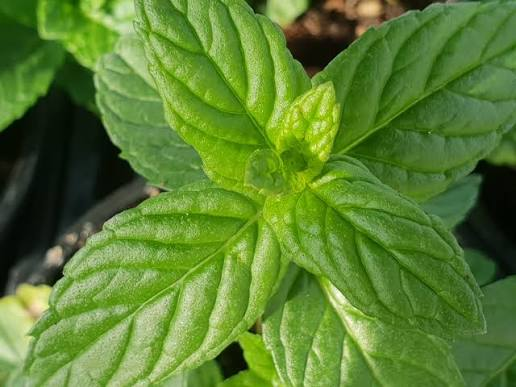
Mint is one of the most widely used aromatic herbs in food, traditional remedies, home gardens and herbal preparations. It is valued for its refreshing aroma, cooling sensation, flavour, and naturally occurring plant compounds.
Botanical profile
| Detail | Information |
|---|---|
| Common name | Mint / Pudina |
| Hindi name | पुदीना |
| Botanical genus | Mentha |
| Common species | Mentha spicata, Mentha × piperita |
| Family | Lamiaceae (Mint family) |
| Plant type | Aromatic perennial herb |
| Parts used | Leaves, flowering tops |
| Habitat | Gardens, pots, moist cultivated soil |
| Nature | Aromatic, culinary, traditionally medicinal |
Mint is not a single species. Spearmint (garden pudina) and peppermint are different varieties, and their chemical composition and aroma can differ. PubMed+1
1. Nutritional value of mint
Mint leaves contain a range of micronutrients and plant compounds. Their contribution depends on the species, freshness, and quantity consumed.
Mint Leaf: Complete Nutrition Guide – SnapCalorie
Mint Leaves Fresh (UAE Grown) | UNS Farms
SBT Kurumsal Girişim A.Ş. – Topraksız Tarımda Geleceği Bugün Üretiyoruz
8
Nutrients found in mint
- Vitamin A precursors and carotenoids
- Vitamin C
- Vitamin K
- Folate (Vitamin B9)
- Calcium
- Iron
- Magnesium
- Potassium
- Dietary fibre
- Plant polyphenols
- Flavonoids
- Aromatic compounds such as menthol (more prominent in peppermint) and carvone (common in spearmint)
Mint is generally consumed in small amounts, so it is best considered a flavourful addition to a varied diet rather than a major source of nutrients. WebMD+1
2. Health benefits of mint leaves
Peppermint Tea: Science-Backed Benefits for Digestive Health – Desapega
Fresh mint tea in glass cup with teapot and mint leaves
Fresh organic mint tea in glass on wooden table.
8
A. Digestive wellness
Mint is traditionally used to support digestive comfort.
Potential benefits:
- Adds flavour to meals and herbal beverages.
- Traditionally used for indigestion and gas.
- May help provide a refreshing sensation after meals.
- Peppermint leaf preparations have traditional use for minor digestive complaints.
Evidence note: Peppermint leaf has traditional use for digestive discomfort, but clinical evidence for the leaves themselves is limited. Some specific peppermint oil capsules have been studied for IBS in adults, but those findings cannot automatically be applied to fresh mint leaves or homemade tea. Herbal summary for the public+1
B. Fresh breath and oral hygiene
Mint is commonly used in mouth fresheners, toothpaste and oral-care products because of its aromatic compounds.
It may:
- Temporarily freshen breath.
- Improve the flavour of water.
- Provide a refreshing sensation in the mouth.
Mint is not a substitute for brushing, flossing or dental care.
C. Antioxidant activity
Mint contains naturally occurring polyphenols and flavonoids.
These compounds are investigated for their ability to interact with oxidative processes in laboratory studies. However, the antioxidant activity of an extract in laboratory conditions does not necessarily mean eating mint will prevent or treat a disease.
D. Anti-inflammatory potential
Research on mint extracts and isolated plant compounds has investigated anti-inflammatory activity.
Some laboratory and animal studies show promising results, but this is not sufficient to establish mint leaves as a treatment for inflammatory diseases in humans. PubMed+1
E. Respiratory comfort
Mint’s aromatic compounds can create a cooling sensation and may make breathing feel more refreshing.
Mint is traditionally used in preparations for cold-related discomfort, but it does not cure asthma, pneumonia, respiratory infections or other lung diseases.
F. Relaxation and refreshing aroma
The scent of mint is commonly associated with a fresh and alert feeling.
Mint is used in:
- Herbal teas
- Aromatic preparations
- Bath and personal-care products
- Room fragrances
Its aroma may feel refreshing, but strong claims about treating anxiety, insomnia or neurological conditions are not established by ordinary mint-leaf consumption.
3. Benefits for skin
Comment préparer une infusion de menthe poivrée? | Last Guide
Fresh Mint Leaves Splashing In Water Backgrounds | JPEG Free Download – Pikbest
9
Mint is used in traditional and cosmetic preparations because of its aroma and cooling sensation.
Potential cosmetic uses
- Cooling sensation on the skin.
- Used in some cleansing and cosmetic formulations.
- Mint extracts are investigated for antioxidant and antimicrobial properties.
- May contribute to a refreshing sensation in homemade preparations.
Does mint help acne?
Mint is not a proven acne treatment. Research into antimicrobial and anti-inflammatory effects of mint extracts does not establish that applying fresh mint leaves will clear acne.
Precautions: Fresh mint juice or homemade mint pastes may irritate sensitive skin. Avoid applying them to broken skin, and stop if burning, redness or irritation occurs.
4. Benefits for hair and scalp
Garden Mint* Fragrance Oil 319 | Wholesale Supplies Plus
5
Mint is sometimes included in herbal hair-care products and homemade scalp preparations.
| Claimed use | What is known |
|---|---|
| Scalp freshness | Cooling sensation may feel refreshing |
| Oily scalp | Mint is used in cosmetic cleansing formulations |
| Dandruff | Not established as a reliable treatment |
| Hair growth | No strong clinical evidence that mint leaves promote hair growth |
| Hair shine | Hair appearance may improve from the overall hair-care formulation, not necessarily mint itself |
Mint should not be considered a proven treatment for hair loss, scalp infections or persistent dandruff.
5. Mint’s active plant compounds
#menthol #peppermint #trpm8 #spearmint #carvone #eucalyptol #mint | Giuseppe Giannini
Thé à la menthe: bienfaits, recettes, histoire… – Sencha Tea
6
Mint contains several groups of naturally occurring compounds:
| Compound / group | Importance |
|---|---|
| Menthol | Cooling aroma; prominent in peppermint |
| Carvone | Characteristic aroma of spearmint |
| Rosmarinic acid | Plant polyphenol studied for antioxidant activity |
| Flavonoids | Plant compounds investigated for biological activity |
| Phenolic acids | Associated with antioxidant research |
| Volatile oils | Responsible for aroma and flavour |
| Terpenes | Major components of mint’s aromatic chemistry |
The exact profile varies considerably among mint species, growing conditions and extraction methods. Research on concentrated extracts and essential oils is not equivalent to research on eating fresh leaves. PubMed+1
6. Traditional uses of mint
Mint has been traditionally used in food and herbal preparations for:
- Digestive discomfort
- Gas and bloating
- Bad breath
- Cold-related discomfort
- Refreshing beverages
- Aromatic preparations
- Food flavouring
- Herbal mouth rinses
Traditional use should be distinguished from scientifically established medical treatment.
7. How to use mint leaves
How to Make Mint Tea from Fresh Leaves
Woman preparing fresh mint mint tea. Flat lay, top view.
9
A. Fresh mint tea
Ingredients
- Fresh mint leaves
- A cup of hot water
- Lemon, optional
- Honey, optional
Preparation
- Wash the mint leaves thoroughly.
- Add them to hot water.
- Let them steep for around 5–10 minutes.
- Strain if preferred.
- Add lemon or a little honey for flavour.
B. Mint chutney
Pudina Chutney – Teresa’s Recipes
6
Ingredients:
- Mint leaves
- Coriander
- Green chilli (optional)
- Lemon juice
- A little water
- Salt
Blend into a chutney and serve with meals.
C. Mint water
Top Summer Drinks for Natural Hydration
water with lemon slices and mint leaves in drinking glass on wooden background
7
Add washed mint leaves to drinking water. You can combine them with lemon or cucumber for a refreshing flavour.
D. Mint in everyday food
Mint can be added to:
- Salads
- Raita
- Chutneys
- Vegetable dishes
- Dal
- Rice
- Soups
- Homemade drinks
Fresh mint can add flavour to food without relying as heavily on added salt or rich sauces.
8. Mint leaves for home and garden
Hortelã no vaso: como cultivar e afastar insetos da cozinha – Giro Marília Notícias
Marokkanische Minze Mentha ‘Maroccan’ – Bio kaufen | Bakker.com
Fresh mint plant growing in pot in a UK garden
6
Mint is a useful herb for home gardening because it grows relatively easily under suitable conditions.
Gardening benefits
- Provides fresh leaves for the kitchen.
- Adds fragrance to garden spaces.
- Supports pollinators when allowed to flower.
- Can be grown in containers and small spaces.
- Offers a renewable supply of fresh culinary herbs.
Growing conditions
| Requirement | Preferred condition |
|---|---|
| Sunlight | Partial sunlight; gentle morning sun is useful |
| Soil | Moist, fertile and well-drained |
| Water | Regular watering; avoid waterlogging |
| Growing method | Pots, containers or garden beds |
| Propagation | Stem cuttings or division |
| Maintenance | Regular trimming and harvesting |
Mint spreads quickly through underground stems, so container cultivation can help control its growth.
Simple cultivation method
How to Grow Mint from Cuttings in Water
Propagation of cuttings: mint in a glass developping roots
How to Grow Mint from a Cutting: Easy Step-by-Step Guide
9
- Take a healthy stem cutting.
- Place the lower stem in water or suitable moist growing medium.
- Allow roots to develop.
- Transfer rooted cuttings into a pot.
- Maintain moisture and provide suitable sunlight.
9. How to store fresh mint
Как хранить свежую мяту в холодильнике
How to Store Mint – The Kitchen Herbs
How to Store Fresh Herbs So They Stay Fresh Longer | blyzr
9
Short-term storage
- Remove damaged leaves.
- Keep the leaves dry until storage.
- Wrap loosely in a slightly damp paper towel.
- Store in the refrigerator in a suitable container or bag.
Longer storage
- Wash and dry thoroughly.
- Chop or keep whole.
- Freeze in small portions for later cooking.
Mint can also be dried and stored in an airtight container away from direct sunlight and moisture.
10. Safety, precautions and side effects
Mint leaves are commonly used in food, but concentrated mint products are different from fresh leaves.
Important precautions
- Acid reflux / GERD: Mint, particularly peppermint preparations, may worsen heartburn or reflux symptoms.
- Allergy: Stop using it if you experience itching, rash, swelling or other allergic symptoms.
- Sensitive skin: Fresh mint preparations may cause irritation.
- Essential oils: These are highly concentrated and should not be swallowed or applied undiluted.
- Excessive consumption: Large quantities of mint preparations may cause digestive discomfort in some individuals.
- Medical conditions: Don’t use mint as a substitute for treatment of ongoing digestive, respiratory or skin problems.
Peppermint leaf tea is generally considered safe in ordinary use, but the long-term safety of consuming large amounts is not well established. NCCIH+1
11. What science says about mint
| Area of research | Evidence status |
|---|---|
| Food flavouring and culinary use | Well established |
| Freshening breath | Established practical use |
| Digestive comfort from peppermint leaf preparations | Traditional use; limited clinical evidence |
| Peppermint oil for IBS symptoms | Some clinical evidence for specific formulations in adults |
| Antioxidant activity | Laboratory research |
| Antimicrobial activity | Primarily laboratory and extract research |
| Anti-inflammatory activity | Mainly preclinical research |
| Skin benefits | Limited evidence for fresh leaves |
| Hair growth | Insufficient evidence |
| Immunity enhancement | Not established as a clinical benefit |
| Disease prevention or cure | Not established |
The important distinction is that research on concentrated extracts, essential oils, isolated compounds and animals does not automatically prove the same benefits from eating a few mint leaves. NCCIH+2
12. Mint at a glance
🌱 Why include mint in daily life?
- Fresh flavour and aroma
- Easy addition to everyday meals
- Refreshing beverages
- Culinary versatility
- Easy home cultivation
- Naturally occurring plant compounds
- Traditional use in digestive preparations
- Useful addition to kitchen and herbal gardens