

VISHNUKANTA BEL
Botanical identification, traditional uses, phytochemistry, cultivation and safety
Important identification note
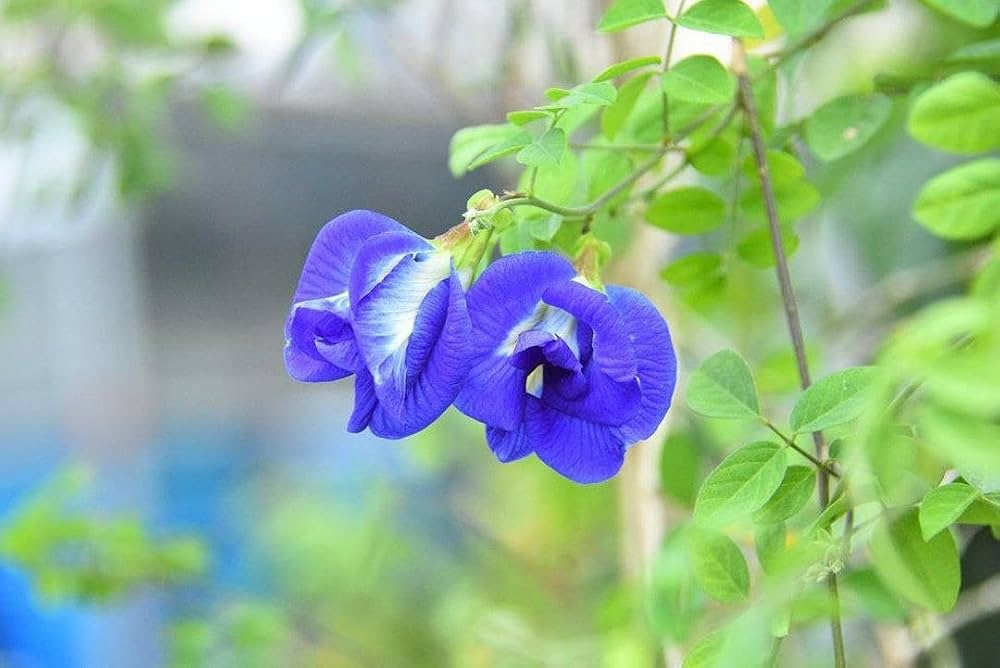
“Vishnukanta” or “Vishnukranta” is a regional/common name and may refer to different plants. This guide primarily discusses Aparajita / Butterfly Pea (Clitoria ternatea L.), a commonly associated plant. Confirm the plant from its flowers, leaves and growth habit before using it. A photograph or local botanical identification is recommended.
1. General botanical information
| Common English name | Butterfly Pea; Asian Pigeonwings |
| Common Hindi name | Aparajita (also called regional names) |
| Botanical name | Clitoria ternatea L. |
| Family | Fabaceae (legume family) |
| Plant type | Perennial herbaceous climbing plant |
| Growth habit | Twining or trailing vine |
| Flowers | Usually vivid blue; white-flowered forms also occur |
| Fruit | Flattened legume pod containing seeds |
| Distribution | Widely cultivated and naturalised in tropical regions |
2. How to recognise the plant
- Growth: a slender climbing or trailing vine, often supported by a fence, trellis or nearby vegetation.
- Leaves: compound leaves, usually with several oval leaflets arranged along a central stalk.
- Flowers: distinctive pea-shaped flowers, commonly deep blue with a pale or yellowish marking; white forms also exist.
- Fruit: narrow, flattened pods typical of legume-family plants.
- Seeds: hard seeds contained inside mature pods.
3. Plant parts and traditional uses
Different parts of Clitoria ternatea have been described in traditional systems and folk practices. Traditional use does not by itself establish that a preparation is effective or safe.
| Flowers | Used traditionally in herbal drinks and as a natural blue colouring ingredient. Flower pigments are also studied in food-science research. |
| Leaves | Mentioned in some regional traditional preparations. Reliable human clinical evidence for specific health benefits is limited. |
| Roots | Appears in some traditional medicinal descriptions. Root preparations should not be self-prescribed; identity, dose and safety are important. |
| Seeds and pods | Seeds are botanically part of the legume fruit. Do not assume that every preparation or raw plant part is suitable for consumption. |
| Whole plant | Has been investigated in laboratory and preclinical studies for various biological activities; these findings do not establish clinical benefit in people. |
4. Phytochemicals reported in research
Chemical composition varies with plant variety, growing conditions, plant part, harvest stage and extraction method. Research has reported the following broad groups:
- Anthocyanins and ternatins: pigments responsible for much of the blue colour in the flowers.
- Flavonoids and other phenolic compounds: plant polyphenols studied for antioxidant activity in laboratory systems.
- Phenolic acids: another group of naturally occurring plant compounds.
- Cyclotides: small, naturally occurring cyclic peptides identified in this plant and studied by researchers.
- Other constituents: additional compounds, including triterpenoid-related constituents, have been reported in phytochemical investigations.
Laboratory antioxidant activity should not be interpreted as proof that eating the plant prevents or treats disease.
5. Traditional claims and strength of evidence
| Cognitive or memory support | Traditional descriptions and early experimental research exist; convincing human clinical evidence is not established. |
| Antioxidant activity | Observed in laboratory tests; this does not demonstrate a health outcome in people. |
| Skin and inflammation-related uses | Some traditional and preclinical investigations exist; effectiveness for skin conditions or inflammatory diseases is unproven. |
| Digestive, urinary or respiratory uses | Reported in traditional practices; reliable clinical evidence for treating disorders is insufficient. |
6. Safety and precautions
- Do not use this plant as a substitute for prescribed treatment or medical assessment.
- Safety information for concentrated extracts, medicinal doses and long-term use in humans is limited.
- Avoid self-preparing or consuming root, seed or highly concentrated extracts for medicinal purposes.
- People who are pregnant or breastfeeding, children, and people taking regular medicines should seek advice from a qualified healthcare professional before using medicinal preparations.
- Stop using a preparation and seek medical advice if an unwanted reaction occurs.
- Correct botanical identification is essential: common names can refer to different species in different regions.
7. Cultivation and basic care
- Climate: generally grows well in warm tropical and subtropical conditions.
- Light: prefers a sunny position for good flowering; partial shade may be tolerated.
- Soil: use a well-drained growing medium; avoid prolonged waterlogging.
- Support: provide a trellis, fence or other support for the climbing stems.
- Water: water when the upper soil begins to dry; adjust frequency to weather and drainage.
- Propagation: commonly propagated from seeds. Seed germination can vary; use healthy, correctly identified seed.
- Maintenance: remove dead growth and guide vines onto their support. Avoid excessive fertiliser, which may encourage foliage over flowers.
8. Important botanical distinction
Vishnukranta is also used in some sources or regions for Evolvulus alsinoides, a different, low-growing herb often associated with the name Shankhpushpi. It is not the same species as Clitoria ternatea.
Clitoria ternatea is a climbing vine with conspicuous pea-shaped flowers. Evolvulus alsinoides is a small, spreading herb with much smaller flowers. Because vernacular names overlap, do not identify a plant by name alone.
9. Summary
Vishnukanta is an ambiguous regional plant name. If the intended plant is Aparajita / Butterfly Pea (Clitoria ternatea), it is a climbing legume with blue or white flowers and a history of traditional use. Its pigments and other phytochemicals are subjects of scientific research, but many claimed medicinal benefits remain unconfirmed in human studies. Confirm the species and obtain professional advice before medicinal use.
10. Suggested references for further verification
- Kew Science – Plants of the World Online (POWO): botanical name, accepted taxonomy and distribution.
- World Flora Online: taxonomic information and plant-name verification.
- Peer-reviewed reviews and primary research on Clitoria ternatea phytochemistry, anthocyanins/ternatins and cyclotides.
- A qualified botanist, university herbarium or local agricultural extension service for identification of a specimen.